Mehdi Mahmoudian, co-writer of Palme d’Or winner ‘It Was Just an Accident,’ has been released on $10,000 bail after being imprisoned for signing a letter condemning Iran’s supreme leader.
A Voice of Dissent Silenced, Then Freed
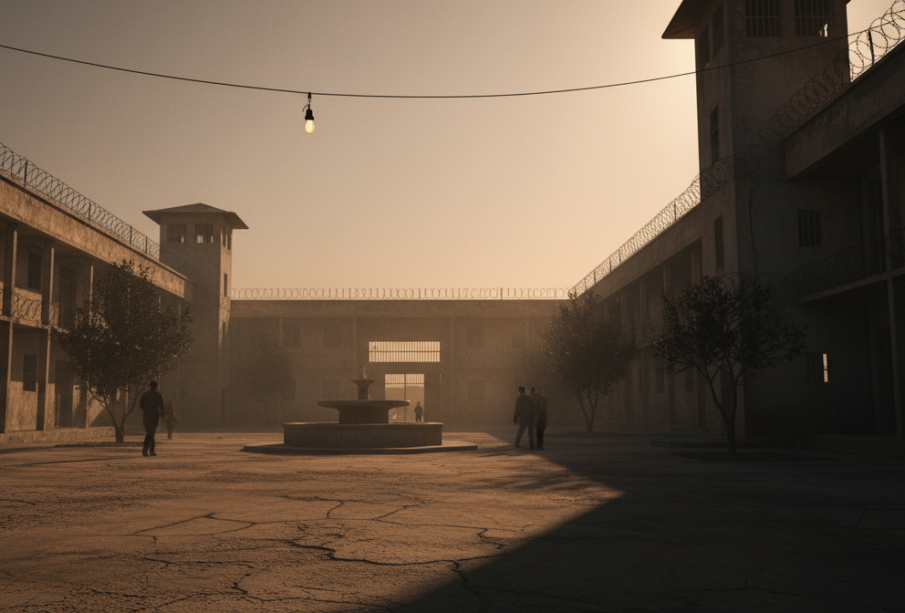
After 17 days behind bars, Mehdi Mahmoudian walked out of Nowshahr Prison on Tuesday, his freedom purchased with a $10,000 bail bond. The Oscar-nominated screenwriter had been imprisoned alongside two fellow activists for the simple act of signing their names to a letter.
The document in question – dubbed ‘The Statement of the Seventeen’ – didn’t mince words. It placed blame squarely on Ayatollah Ali Khamenei, Iran’s supreme leader, for authorizing what signatories called the ‘mass and systematic killing of citizens’ during December’s anti-government protests. Thousands died in those demonstrations, sparked by crushing inflation and economic hardship.
Mahmoudian’s co-signatories Vida Rabbani, a journalist, and Abdollah Momeni, a student activist, were also released on identical bail terms. Each paid 6.5 billion tomans – roughly $10,000 – to Iran’s Revolutionary Court for their conditional freedom.
From Prison Cell to Oscar Nomination
The irony wasn’t lost on anyone familiar with Mahmoudian’s story. Here was a man whose decade of imprisonment had become the very source material that earned him Academy Award recognition.
Mahmoudian co-wrote ‘It Was Just an Accident’ with director Jafar Panahi, whom he first met while both were incarcerated. The film, which won the Palme d’Or at Cannes last year, draws heavily from their shared experiences behind bars. It tells the story of former political prisoners who believe they’ve spotted their torturer on Tehran’s streets.
‘I met Mehdi Mahmoudian in prison,’ Panahi explained in a statement. ‘From the very first days, he stood out – not only because of his calm demeanor and kind conduct but also because of a rare sense of responsibility toward others.’ The director brought Mahmoudian onto the screenplay to add authenticity born from lived experience.
A Pattern of Persecution
This wasn’t Mahmoudian’s first encounter with Iranian authorities. The 58-year-old writer and human rights defender served five years in prison from 2009 to 2014 on charges of ‘mutiny against the regime.’ His crime? Documenting abuse at the notorious Kahrizak Detention Center, reporting that ultimately led to the facility’s closure.
Nearly a decade of his life has been spent in various Iranian prisons for his civic and journalistic work. Yet each imprisonment seemed only to strengthen his resolve. His latest arrest came just days after he and 16 others – including Nobel Peace Prize laureate Narges Mohammadi and filmmaker Mohammad Rasoulof – signed the damning statement against Khamenei.
‘For years, such charges have been used as tools to criminalize thought, silence criticism, and instill fear in society,’ Panahi said, condemning the arrests. ‘Turning a civil and peaceful act into a national security case is a clear sign of intolerance toward the independent voices of citizens.’
Oscar Dreams Amid Political Nightmares
The timing couldn’t be more surreal. While Mahmoudian sat in his cell, ‘It Was Just an Accident’ was racking up Oscar nominations in two major categories: Best Original Screenplay and Best International Feature Film. The ceremony is set for March 15 in Los Angeles.
Panahi himself faces his own legal troubles. Sentenced to one year in prison in absentia for ‘propaganda activities,’ the director has stated he plans to return to Iran to serve his sentence after the Oscars. It’s a decision that underscores the impossible choices facing Iranian artists who refuse to be silenced.
The film’s distributor, Neon, has now handled six consecutive Palme d’Or winners, including recent Oscar champions ‘Parasite’ and ‘Anora’. But unlike those films, ‘It Was Just an Accident’ carries the weight of real persecution, its creators’ freedom hanging in the balance even as Hollywood prepares to celebrate their work.





We bring you daily news from around the world. From technology to lifestyle to design and music.