Apple’s Privacy Shield Becomes a Legal Target in West Virginia CSAM Lawsuit
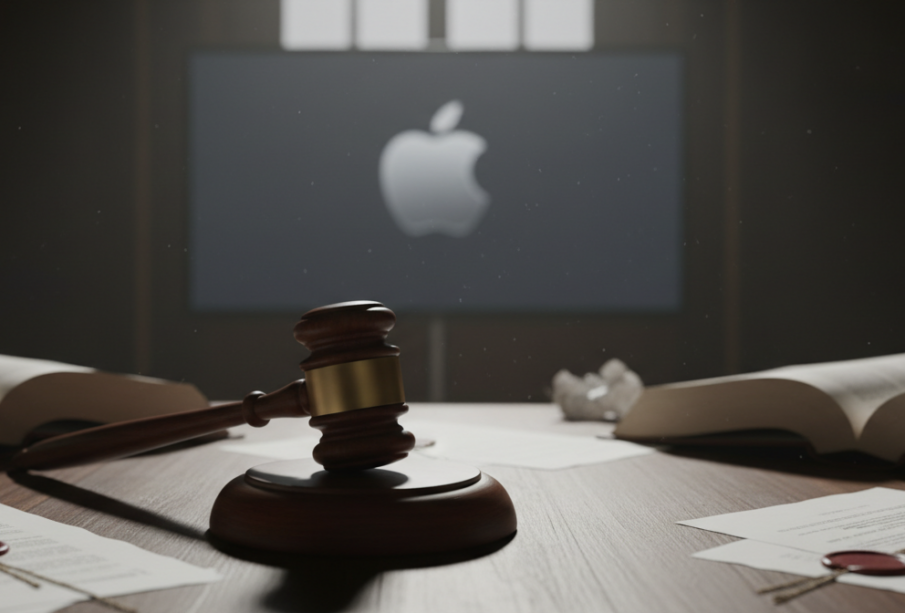
West Virginia becomes the first state to sue Apple over child abuse material on iCloud, claiming the tech giant’s privacy-first approach has created a safe haven for predators.
The Numbers Tell a Damning Story
Here’s a stat that’ll make your jaw drop: In 2024, Apple filed just 250 reports of suspected child sexual abuse material to federal authorities. Meanwhile, Google and Snapchat each filed nearly 1.2 million reports that same year.
That massive gap is at the heart of a groundbreaking lawsuit filed Thursday by West Virginia Attorney General JB McCuskey. His office is calling Apple out for what they claim is a deliberate choice to look the other way when it comes to child exploitation on iCloud.
‘Apple’s failure to deploy available detection technology is not a passive oversight — it is a choice,’ McCuskey said in a statement that pulls no punches. The lawsuit, filed in Mason County Circuit Court, marks the first time a state has taken Apple to court over this issue.
The ‘Greatest Platform’ Admission
The lawsuit includes what might be the most damaging piece of evidence against Apple: a 2020 text message from the company’s own anti-fraud executive calling it ‘the greatest platform for distributing child porn.’
That internal admission came to light during Apple‘s legal battle with Epic Games, but it’s now front and center in West Virginia‘s case. McCuskey argues that despite this acknowledgment, Apple has taken ‘no meaningful action’ to address the problem.
The contrast with other tech giants is stark. While Google, Microsoft, and others use tools like PhotoDNA to scan uploaded content against databases of known abuse material, Apple has consistently refused to implement similar measures.
Privacy vs. Protection: The Core Dilemma
Apple‘s defense centers on its commitment to user privacy — a brand promise that’s been central to its identity since CEO Tim Cook wrote his famous open letter on the topic back in 2014. The company’s iMessage service uses end-to-end encryption, meaning Apple literally can’t see what users are sharing.
But West Virginia‘s lawsuit argues this privacy-first approach has created an unintended consequence: a safe haven for predators. The state points to Apple‘s move toward end-to-end encryption for iCloud data, which puts digital files beyond the reach of both Apple and law enforcement.
‘Preserving the privacy of child predators is absolutely inexcusable,’ McCuskey said. ‘Since Apple has so far refused to police themselves and do the morally right thing, I am filing this lawsuit to demand Apple follow the law.’
The Abandoned Solution and What’s Next
Here’s the twist: Apple actually had a solution in the works. Back in 2021, the company announced NeuralHash, a system designed to scan images on users’ devices before they were uploaded to iCloud. It was supposed to be the perfect balance between privacy and protection.
But privacy advocates freaked out, worried the technology could be expanded to allow government surveillance. Security researchers poked holes in the system, showing it could produce false positives. By December 2022, Apple quietly killed the project.
Now West Virginia wants statutory and punitive damages, plus a court order forcing Apple to implement effective detection measures. The state is also dealing with a separate $1.2 billion class-action lawsuit from thousands of abuse survivors who claim Apple‘s inaction has caused them ongoing trauma.
Apple‘s response? The same privacy-focused talking points: ‘At Apple, protecting the safety and privacy of our users, especially children, is central to what we do.’ But with mounting legal pressure and those damning statistics, that message is starting to sound hollow to critics who say the company can’t have it both ways.







We bring you daily news from around the world. From technology to lifestyle to design and music.