Eight Skiers Dead in Deadliest US Avalanche in Over 40 Years
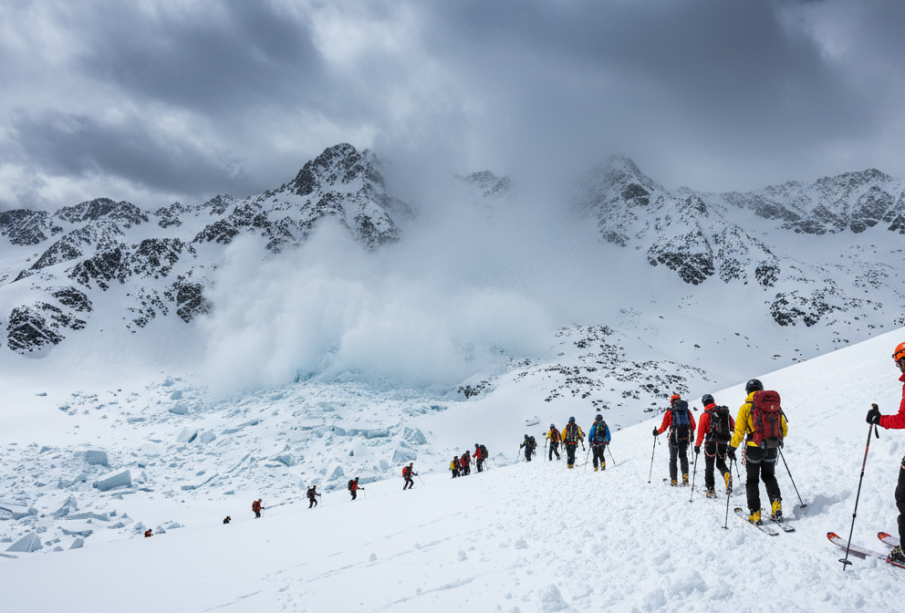
A backcountry skiing trip near Lake Tahoe turned tragic when an avalanche killed eight people and left one missing, marking the deadliest avalanche in the US since 1981.
The Avalanche That Changed Everything
It was supposed to be the perfect end to a three-day backcountry adventure. Fifteen skiers were making their way back to the trailhead near Castle Peak on Tuesday morning when nature had other plans. At 11:30 AM, a football field-sized avalanche came roaring down the mountain, swallowing nine people in its path.
The group, led by Blackbird Mountain Guides, had been staying at the remote Frog Lake huts since Sunday. These aren’t your typical ski resort accommodations – we’re talking about rugged wilderness territory that was closed to the public for nearly a century until 2020. The area sees an average of 35 feet of snow annually, making it one of the snowiest places in the Western Hemisphere.
Six skiers survived the initial impact, but their nightmare was just beginning. Trapped in whiteout conditions with temperatures plummeting below freezing, they had to improvise shelter while waiting for rescue teams to navigate the treacherous terrain.
A Rescue Mission Against All Odds
The survivors weren’t just sitting ducks. They had emergency satellite messaging devices that allowed them to send texts to rescuers, becoming lifelines in the wilderness. One of the six was actually a guide, which probably helped keep the group organized during those terrifying hours.
Rescue teams faced a nightmare scenario. They couldn’t risk snowmobiles because of the high avalanche danger, so they used a snowcat to get within 2 miles of the survivors, then skied in carefully to avoid triggering another slide. By the time they reached the group just before sunset, the survivors had already found three bodies in the snow.
Two of the rescued skiers had to be carried out due to their injuries, while the others were able to ski out with the rescue teams. Both injured survivors were hospitalized, though their injuries weren’t life-threatening. One has already been released.
The Grim Reality Sets In
Wednesday brought the devastating confirmation that rescue teams had been dreading. Eight bodies were found buried in the snow, with one person still missing but presumed dead. Sheriff Shannan Moon had to deliver the heartbreaking news to families that the mission had shifted from rescue to recovery.
‘It’s a difficult conversation to have with loved ones,’ Moon said at a press conference. The tragedy hit especially close to home for the rescue teams – one of the deceased was the spouse of a Tahoe Nordic Search & Rescue team member.
This avalanche now holds the grim distinction of being the deadliest in the US since 1981, when 11 climbers died on Mount Rainier in Washington. It’s also the second deadly avalanche near Castle Peak this year, following a snowmobiler’s death in January.
When Mother Nature Shows No Mercy
The timing couldn’t have been worse. The Sierra Avalanche Center had issued a high avalanche warning on Tuesday morning, with forecasters specifically warning about ‘storm slab’ avalanches. These happen when heavy new snow creates an unstable layer on top of weaker, sugary snow beneath.
Since Sunday, 3 to 6 feet of fresh snow had fallen in the area, accompanied by subfreezing temperatures and gale-force winds. Even after the avalanche, another 26 inches of snow dumped on the region, making recovery efforts nearly impossible. The bodies remain buried in the snow, marked only by avalanche poles so crews can find them when conditions improve.
Sheriff Wayne Woo summed up the situation perfectly: ‘Unfortunately, we’re kind of at the will of Mother Nature at this point.’ The area remains under avalanche warning through Thursday morning, with another 18 inches of snow forecast for the mountain crests above Lake Tahoe.
The Human Cost of Adventure
The victims included seven women and two men, with three of them being guides from Blackbird Mountain Guides. The company had actually posted a warning video on Instagram just Monday, showing what they called ‘atypical layering’ in the snowpack that created particularly weak layers on north-facing slopes.
Backcountry skiing attracts a tight-knit community of powder enthusiasts who understand the risks but are drawn to the untouched terrain and fresh snow that storms bring. The Donner Summit area, named after the infamous Donner Party who resorted to cannibalism when trapped there in 1846-47, has always been unforgiving territory.
Each winter, 25 to 30 people die in avalanches across the US, according to the National Avalanche Center. But this tragedy serves as a stark reminder that even experienced guides and well-equipped groups can’t always outsmart the mountain. As authorities continue their recovery efforts, they’re asking the public to stay away from the backcountry and let them focus on bringing these eight souls home to their families.






We bring you daily news from around the world. From technology to lifestyle to design and music.