Reanimal Proves Horror Games Don’t Need Jump Scares to Terrify
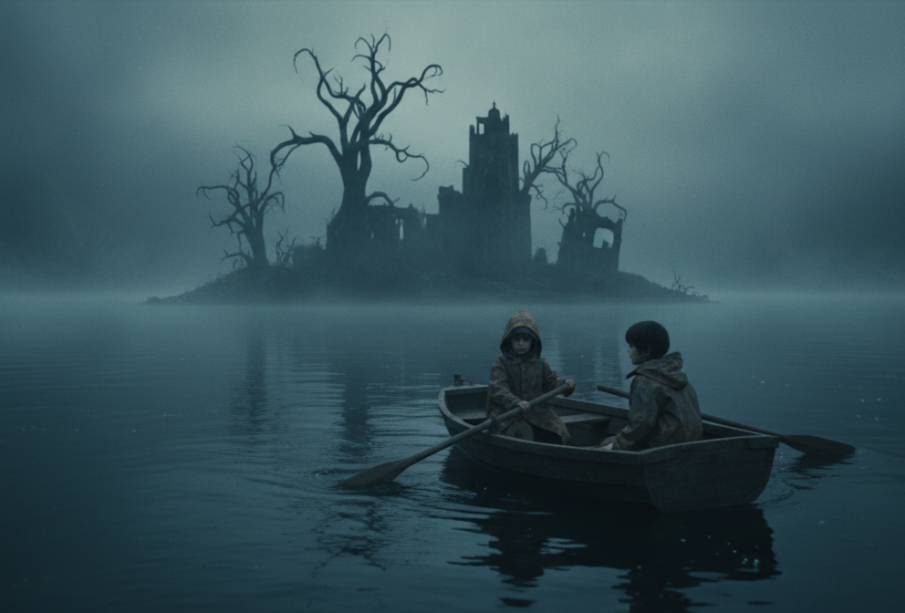
Tarsier Studios returns with their darkest creation yet. Two children navigate a nightmare island where childhood trauma takes monstrous form.
When Childhood Becomes Nightmare
The creators of Little Nightmares have returned to take you on a darker, more terrifying journey than ever before. In this horror adventure game, a brother & sister go through hell to rescue their missing friends and escape the island that they used to call home. But this isn’t just another horror game with cheap scares. The team considered Reanimal to be a spiritual successor to the Little Nightmares series, though it was designed to be “more terrifying” than its predecessors.
What makes Reanimal genuinely unsettling isn’t what jumps out at you. It’s what lurks in the shadows of a child’s mind. Fragments of the children’s troubled past have been used as inspiration for their character design, and for the monsters that now torment them. Every creature feels personal, twisted from memories that should have been innocent.
Two Kids Against the World
Playing alone feels wrong here. Nobody should be forced to go through hell alone! Fully playable in single player and local & online co-op, REANIMAL has a shared, directed camera, designed to maximise claustrophobia and tension. The game practically begs you to grab a friend.
The game uses a dynamic shared camera system that keeps both characters on-screen, with the camera pulling back to maintain both in view. Moving too far apart can result in failure, reinforcing the importance of cooperation and shared decision-making. It’s like being forced to hold hands while walking through your worst nightmare. Sometimes that’s exactly what you need.
More Than Pretty Scares
Unlike Little Nightmares, which used a 2.5D perspective with occasional 3D movement, Reanimal is fully three-dimensional. From the opening sequence, players take control of a boy navigating a small boat, immediately signaling a more open spatial experience. The shift to 3D isn’t just technical showboating. It opens up new ways to feel trapped.
Something that stood out to me while playing is how distinct each area felt. Even in the very early stages of the game, there was a definite tone shift between each area, keeping me intrigued about what areas might come next and wanting to play on to explore them all. Each location tells its own story of decay and abandonment.
The Art of Atmospheric Terror
Tarsier continues to excel in visual and audio design. The oppressive and emotionally depressive environments are filled with harsh contrasts that limit visibility to just a few feet in front of you, making every corner feel threatening. The sound design heightens that tension even further, using unsettling audio cues and realistic effects to amplify the horror.
This isn’t about monsters jumping out of closets. Combat is minimal. Your tools are stealth and evasion rather than firearms or brute force. The world design emphasizes hiding, running and reading the environment for clues. Fear comes from feeling small and helpless, not from fighting back.
Worth the Wait
Reanimal is officially set to launch on Friday, February 13, 2026. The date feels deliberate – Friday the 13th for a game that understands horror isn’t about cheap thrills.
There’s no way around it, Reanimal simply isn’t a long game, clocking in at around four hours, or maybe just a bit longer if you’re trying to track down all the collectibles in the form of masks and concept art. Still, they always say it’s about the journey, and it’s one hell of a journey. Sometimes the best nightmares are the ones that don’t overstay their welcome.






We bring you daily news from around the world. From technology to lifestyle to design and music.