When Your Face Becomes Someone Else’s Weapon: The Hidden Victims of Digital Identity Theft
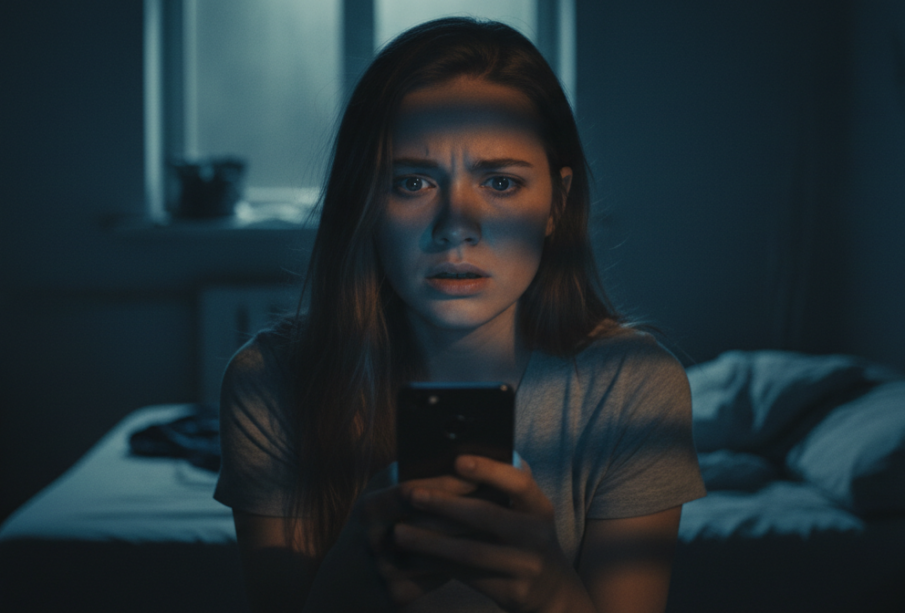
A 19-year-old woman from Wales has spent four years living in fear after scammers stole her photos to catfish dozens of men, leaving her afraid to leave home and facing harassment from strangers who believe she deceived them.
Every time Sasha-Jay Davies walks into a supermarket in Aberdare, her heart races. Not because she’s forgotten her shopping list, but because she’s terrified someone will recognize her face and confront her about conversations she never had, promises she never made, and a relationship she never pursued.
For nearly four years, the 19-year-old from Wales has been living a nightmare that began when she was just 16. Someone stole her photos from social media and created an elaborate fake identity, using her face to catfish men across the internet. The psychological toll has been devastating – she rarely leaves home anymore, constantly looking over her shoulder, wondering which stranger might approach her next with accusations of deception.
‘I’ve had boys approach me in person, harassing me and accusing me of texting them, leading them on, or making plans to meet up alongside conversations I never had,’ Davies told the BBC. ‘It’s really difficult and I wouldn’t wish it on my worst enemy.’
The scale of this digital impersonation is staggering. Davies estimates about 20 men and several women have contacted her on social media, believing they know her. But the violation goes far deeper than stolen photographs. The identity thief has posted cruel content about her late father, including a fake pancreatic cancer certificate, and shared racial slurs that have damaged her reputation in ways that feel impossible to repair.
What makes this case particularly chilling is the calculated malice behind it. The perpetrator hasn’t just stolen photos – they’ve studied Davies’ life in forensic detail, creating a digital doppelganger that knows ‘absolutely everything’ about her. They’ve even posted pictures of other women’s bodies with similar builds, attracting inappropriate comments that make Davies feel ‘violated’ and ‘uncomfortable.’
This isn’t just about catfishing anymore. It’s about weaponizing someone’s identity, turning their face into a tool for manipulation and their life into a source of content for deception. Davies discovered the first fake account in 2022 when she was starting college, initially hoping the perpetrator would simply ‘get bored and do it to somebody else.’ Instead, the harassment escalated.
The fake accounts appeared on TikTok, Instagram, and dating apps under names like ‘Sophie Kadare.’ Even after Davies made her own accounts private 18 months ago, the identity thief continued using old photos and AI-edited images. They created fake accounts for her friends too, building an entire fictional social network to make the deception more believable.
One victim was Mark, a 22-year-old from Essex, who began messaging ‘Sophie’ after seeing her videos on TikTok. For about a month, they discussed football, travel, and their daily lives. The illusion shattered when Mark stumbled across Davies’ real account and discovered she had a boyfriend. When he confronted ‘Sophie,’ she immediately blocked him.
‘I felt a bit shocked at first,’ Mark said. ‘I’ve never experienced that before.’ His experience highlights how these scams create multiple victims – not just the person whose identity is stolen, but everyone who falls for the deception.
The statistics surrounding this digital epidemic are sobering. Recent data shows that 22% of people in the UK – nearly one in four – have been victims of catfishing. In the United States, FBI data reveals catfishing cases have increased by nearly 200% in recent years, with 40% of dating app users targeted by scams in 2025, up 10% from the previous year.
But Davies’ story represents a different kind of victimization – one that’s often overlooked in discussions about online fraud. While most catfishing coverage focuses on the people who are deceived, there’s a growing number of individuals whose photos and identities are stolen to facilitate these scams. They become unwilling accomplices in deceptions they never consented to, facing real-world consequences for crimes they didn’t commit.
South Wales Police is investigating Davies’ case, though she was initially told little could be done when she first reported it. Online safety lawyer Yair Cohen explains that people who catfish are often motivated by ‘low self-esteem’ and enjoy the power it gives them over others.
The psychological impact on identity theft victims like Davies is profound and long-lasting. She’s transformed from someone who ‘used to go out a lot’ to someone who ‘hardly ever’ leaves home. The fear of confrontation has fundamentally altered her relationship with public spaces and strangers.
‘It is terrifying to be confronted over something you didn’t do and to realize someone is using your face to manipulate others,’ Davies said. The violation feels deeply personal – not just because her photos were stolen, but because her entire identity has been commodified for someone else’s psychological gratification.
This case illuminates a darker aspect of our digital age, where artificial intelligence makes it easier than ever to create convincing fake profiles and where the line between online and offline harassment continues to blur. As catfishing becomes more sophisticated, the collateral damage extends beyond financial losses to include the psychological destruction of innocent people whose only crime was posting photos online.
For Davies, the ordeal continues with no clear end in sight. Each day brings the possibility of another confrontation, another stranger who believes they know her, another reminder that her face has become a weapon in someone else’s hands. In a world where our digital and physical selves are increasingly intertwined, her story serves as a stark warning about the hidden costs of our connected lives.




Leave a reply



We bring you daily news from around the world. From technology to lifestyle to design and music.