Uber’s Women-Only Feature Goes National Despite Legal Challenges
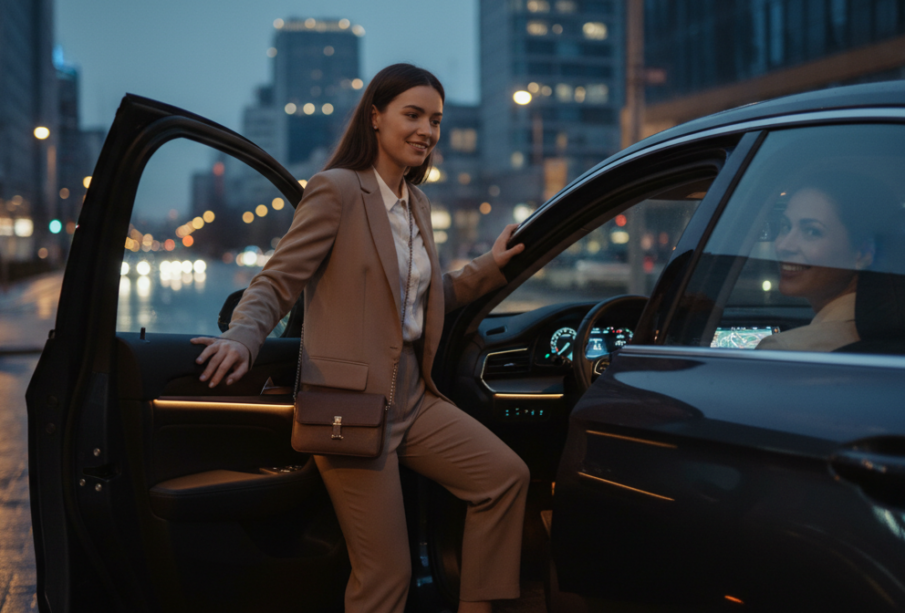
The ride-hailing giant expands its controversial ‘Women Drivers’ option across all 50 states, even as discrimination lawsuits mount in California.
A Safety Feature Under Fire
When I first heard about Uber‘s women-only matching feature, it reminded me of conversations I’d had with female colleagues during my years covering conflict zones. Safety wasn’t just a preference – it was survival. Now, as Uber rolls out its ‘Women Drivers’ option nationwide this week, that same calculus is playing out on American streets.
The feature allows women to request female drivers through their app, with options to wait for a woman or book in advance. Female drivers can also set preferences to pick up only women passengers. It’s a response to years of safety concerns that have plagued the ride-sharing industry, but it’s also sparked a legal battle that cuts to the heart of anti-discrimination law.
Two California drivers filed a class-action lawsuit in November, arguing the feature violates the state’s Unruh Act by giving female drivers access to all passengers while male drivers compete for a smaller pool. The lawsuit claims Uber‘s policy ‘reinforces the gender stereotype that men are more dangerous than women.’
The Numbers Behind the Decision
Uber‘s safety data tells a sobering story. Between 2017 and 2018, the company recorded 5,981 sexual assault incidents during U.S. rides. By 2021-2022, that number had dropped to 2,717 – still representing thousands of traumatic experiences, though Uber notes this was just 0.0001% of total trips.
In February, a federal jury ordered Uber to pay $8.5 million to an Arizona woman who was raped by one of its drivers. The company maintains it’s not liable for contractor misconduct, but such cases underscore why safety features matter.
About one-fifth of Uber‘s U.S. drivers are women, though this varies by city. The company has been testing the women-only feature since last summer in San Francisco, Los Angeles, and Detroit, expanding to 26 cities in November before going nationwide.
Global Precedent, American Controversy
This isn’t Uber‘s first foray into gender-specific services. The company launched a similar feature in Saudi Arabia in 2019, following the kingdom’s historic decision to allow women to drive. It now operates women-only options in 40 countries, including Canada and Mexico.
But what works abroad doesn’t always translate smoothly to American legal frameworks. Lyft faces similar discrimination lawsuits over its ‘Women+Connect’ feature, which also matches women and non-binary riders with drivers of the same identification.
Uber has filed a motion to force arbitration in the California case, arguing the feature ‘serves a strong and recognized public policy interest in enhancing safety.’ The company calls it ‘a common sense solution to a long-standing request’ from both female drivers and riders.
The Broader Safety Reckoning
Having covered stories about women’s safety across different cultures, I’ve seen how personal security shapes daily decisions in ways that might not be immediately obvious to others. The ride-sharing industry’s safety challenges reflect broader societal issues that extend far beyond any single company’s policies.
Both Uber and Lyft have implemented multiple safety measures over the years, including a shared database of drivers banned for sexual assault and other crimes. But legal experts remain divided on whether gender-based matching features represent legitimate safety measures or problematic discrimination.
As this legal battle unfolds, it will likely set precedents for how companies can balance safety concerns with anti-discrimination laws. For now, women across America can access the feature while courts decide whether it should exist at all. The outcome may determine not just the future of ride-sharing, but how we navigate the complex intersection of safety, equality, and commerce in the digital age.


Leave a reply



We bring you daily news from around the world. From technology to lifestyle to design and music.