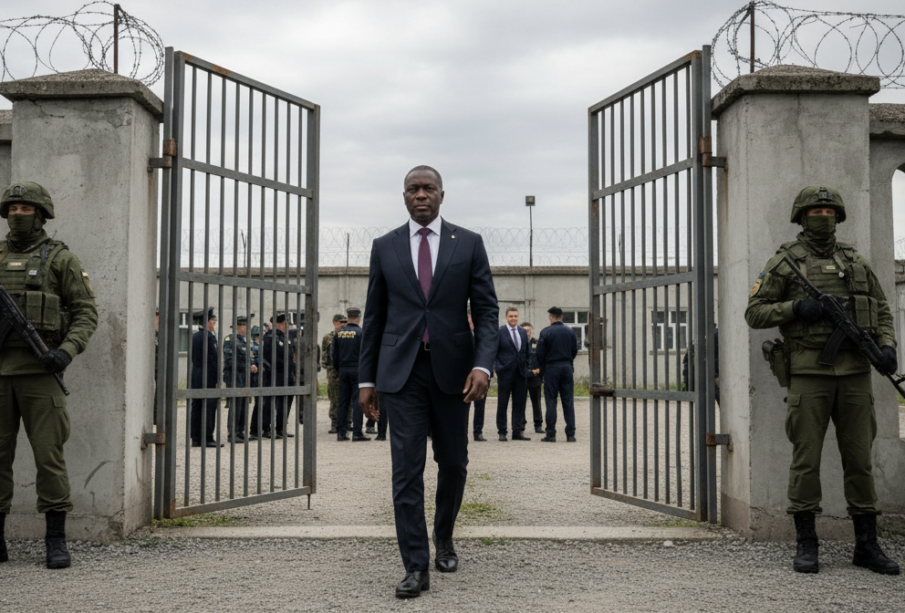
Ghana’s Foreign Minister makes historic visit to Kyiv, seeking release of two citizens caught fighting for Russia in a conflict that has ensnared over 1,780 Africans from 36 countries.
A Rare Visit Behind Enemy Lines
Picture this: Ghana’s Foreign Minister walking through the fortified gates of a Ukrainian prisoner-of-war camp, becoming the first African foreign minister to make such a visit since Russia’s invasion began. It sounds like something out of a thriller, but this was very real diplomacy in action.
Last night, Ablakwa got unprecedented access to see two Ghanaian citizens who’d been captured while fighting for Russian forces. ‘I can confirm that our citizens are alive and well,’ he posted on social media, adding that their rights under international law were being respected by Ukrainian authorities.
The visit wasn’t just about checking on prisoners. Ablakwa met with Ukrainian President Volodymyr Zelensky in what officials called a ‘gracious hosting’ that focused on humanitarian appeals for the safe return of the detained citizens.
The Human Cost of Deception
Here’s where the story gets really dark. These two Ghanaians aren’t isolated cases – they’re part of a massive recruitment scheme that’s pulled over 1,780 people from 36 African countries into Russia’s war machine.
Ukrainian Foreign Minister Andrii Sybiha didn’t mince words during the joint press conference: ‘Russia is trying to drag African citizens into death and war.’ The numbers are staggering – and they keep growing. Just last November, Ukraine reported 1,400 African mercenaries; now it’s jumped to 1,780.
What makes this particularly heartbreaking is how these men ended up there. Ablakwa described the detainees as victims of ‘manipulation, disinformation and criminal trafficking networks.’ They were promised jobs, decent salaries, even Russian citizenship. Instead, they got handed rifles and sent to the front lines where, according to Ukrainian officials, most don’t survive more than a month.
The Digital Recruitment Machine
The recruitment tactics are disturbingly modern. Russian agents are using social media platforms like Telegram, WhatsApp, and even LinkedIn to lure vulnerable young Africans with promises that sound too good to be true – because they are.
One Kenyan photographer sold his car to pay for his flight to Russia, thinking he’d landed a drone operator job that would set up his family for life. Instead, his wife miscarried while he was in training (he didn’t find out for days because they’d confiscated his phone), and he ended up with a limp and spinal injuries from a Ukrainian drone attack.
The promised signing bonuses of $13,000 and monthly salaries up to $3,500 never materialized. Instead, recruits say they were forced to sign military contracts in Russian without translation, had their passports confiscated, and were given minimal training before being shipped to the front lines.
Beyond the Prison Walls
But Ablakwa’s visit wasn’t just about prisoner exchanges. The two countries are exploring broader cooperation, including a potential grain hub in Ghana – part of Ukraine’s effort to maintain agricultural exports despite the war.
Zelensky even extended a formal invitation to Ghana’s President John Mahama to visit Kyiv, signaling deeper diplomatic ties ahead. The timing is significant – Ghana is set to assume the African Union presidency next year and plans to use that platform to raise awareness about these trafficking networks.
The two detained Ghanaians have apparently had a change of heart during their captivity. Ablakwa revealed they’ve expressed determination to become advocates against trafficking networks, pledging to educate vulnerable Africans about avoiding similar predicaments. ‘This significant gesture gives me more confidence that our negotiations for their release will be successful,’ he said.
As Russia’s war drags into its fourth year, the human cost keeps expanding beyond Ukraine’s borders, pulling young Africans into a conflict that promises them everything and delivers only death.



Leave a reply



We bring you daily news from around the world. From technology to lifestyle to design and music.