From Stethoscopes to Smileys: The Rise of Emojis in Medical Records
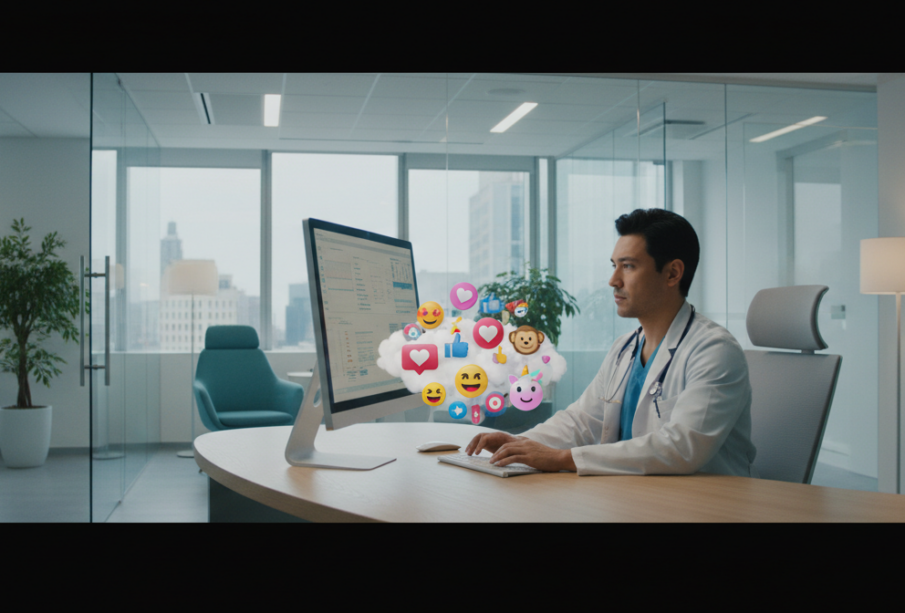
A groundbreaking study reveals doctors are increasingly using emojis in patient communications, raising questions about professionalism and potential misinterpretation in healthcare.
The Digital Evolution of Doctor-Patient Communication
Gone are the days when doctors’ illegible handwriting was the biggest communication challenge in healthcare. Today, physicians at University of Michigan are trading their notorious chicken scratch for something equally puzzling: emojis. A comprehensive analysis of over 218 million electronic health records has uncovered a surprising trend that would make even the most seasoned medical professional do a double-take.
The study, published in JAMA Network Open, examined patient records spanning from 2020 to 2025 and found 372 distinct emojis scattered across 4,162 clinical notes. While that might sound like a drop in the ocean, the numbers tell a more compelling story about the changing face of medical communication.
The Emoji Explosion: Numbers That Speak Volumes
Here’s where things get interesting from a data perspective. Between 2020 and 2024, emoji usage remained relatively stable at just 1.4 instances per 100,000 notes. But by late 2025, that figure skyrocketed to 10.7 per 100,000 notes – a nearly eight-fold increase that caught researchers off guard.
Dr. David Hanauer, the study’s lead author and clinical informaticist, noted that while emoji use remains rare overall, ‘their use seems to be on the rise, raising important questions about age-related differences in use and interpretation.’ The most popular emoji by far was the smiling face with smiling eyes, appearing 1,772 times, followed by the telephone receiver (544 instances) and calendar (429 instances).
Perhaps most tellingly, about 25% of notes containing emojis included more than one, with some notes featuring as many as 32 different symbols. The average was four emojis per note – enough to make a teenager proud.
The Mystery of Medical Emojis
Some emoji choices make perfect sense in a medical context. Pills, stethoscopes, hospitals, and test tubes all found their way into patient records, as did more urgent symbols like police car emergency lights (18 instances). But others left researchers scratching their heads.
The maple leaf emoji ranked surprisingly high with 382 uses, leading some experts to speculate it might represent marijuana in states where cannabis is legal for medical use. Cooked rice appeared in notes, possibly referencing the RICE protocol (rest, ice, compress, elevate) for injuries or the BRAT diet for digestive issues.
More puzzling were appearances of rainbows, fire symbols, and even fax machines. As one bioethicist noted, ‘It’s hard to pin down intention behind emoji use, because they’re not standardized in the way that natural languages are.’
Age Gaps and Communication Risks
The demographic breakdown reveals fascinating patterns. Patients aged 10-19 received the most emoji-laden messages, which makes intuitive sense. But the second-highest group was patients aged 70-79, followed by those in their twenties and eighties.
This age distribution highlights a critical concern: different generations interpret emojis differently. While 70% of Gen Z believes messages should include emojis, only 46% of Gen X agrees. In healthcare, where precision matters, such misinterpretation could have serious consequences.
The study found that 58.5% of emojis fell into the smiley or emotion category, with most used for emphasis rather than replacing words. Only 1% of emojis actually substituted for medical terminology – doctors weren’t using pill emojis instead of writing ‘medication,’ for instance.
Professional Concerns and Future Guidelines
The rise of emojis in medical records has sparked debate about professionalism and legal liability. Michigan Medicine’s health information management team has expressed concerns about symbols that ‘maybe people can’t interpret properly.’
Experts worry about the potential for miscommunication, especially among older patients who may struggle with digital literacy. There’s also the question of legal implications – how would a court interpret a winking face emoji in a medical malpractice case?
Despite these concerns, some see potential benefits. Emergency medicine physicians suggest emojis might add emotional context to otherwise sterile medical communications, potentially improving patient relationships.
The Road Ahead: Balancing Innovation and Clarity
As healthcare continues its digital transformation, the emoji phenomenon represents a broader shift in how medical professionals communicate. The study’s authors recommend that healthcare institutions ‘proactively develop guidelines for their use to maintain clarity and professionalism in clinical communications.’
The trend reflects changing patient expectations too. A 2024 survey found that 41% of Americans believe messages need emojis to feel complete. As younger, emoji-fluent generations age into the healthcare system, this digital language may become increasingly important.
For now, emoji use remains a small but growing part of medical communication. Whether this represents progress toward more human, empathetic healthcare or a concerning departure from professional standards remains to be seen. What’s certain is that the stethoscope isn’t the only symbol doctors are using to connect with patients anymore.




Leave a reply


We bring you daily news from around the world. From technology to lifestyle to design and music.